What are bulbs?

7 min read

bulbs

The beauty of bulbs – Bulbs – what a great idea. A plant that holds all its own energy in its own built-in storage system. Not only do they hold all their own energy for their entire life, but they also come back year after year (mostly). So long as you remember not to dig them up! Most bulbs are hardy enough to be left in the ground all year (please check) – or if you prefer, they can be moved to pots or an ambient green-house.

What are the different types of bulbs?

They come in two distinct flavours – spring-blooming and summer-blooming which, not surprisingly bloom in spring and summer. Spring-blooming bulbs like tulips and daffodils can be planted as I’m writing this – in September and October. Alternatively,  its best to plant summer-blooming bulbs in the spring. The thing to avoid is frost. Summer-blooming bulbs do not like cold winters.
​​

Bulbs Buy wildflower bulbs buy wildflower bulbs
buy wildflower bulbs buy wildflower bulbs buy wildflower bulbs

How do you plant bulbs?

Once the soil is prepared, it’s time to plant the bulbs. The depth and spacing of the bulbs will depend on the type of bulb you’re planting, so be sure to follow the instructions on the packaging. As a general rule, most bulbs should be planted at a depth that is two to three times their height. For example, if you’re planting a bulb that is 2 inches tall, it should be planted at a depth of 4 to 6 inches.

After planting the bulbs, cover them with soil and water thoroughly. This will help to settle the soil and ensure that the bulbs are hydrated.

Depth is always a question – how deep is too deep? How shallow is too shallow to plant bulbs? Deep enough to avoid frost and being found by squirrels; shallow enough to avoid bulb rot and late flowering. There is a rule of thumb – plant to 2-3 times the vertical diameter of the bulb – slightly complicated but just about clear, I hope. Of course, there are exceptions. Some varieties of Iris like shallow planting, tulips like to go much deeper. If you are feeling particularly creative, you can plant several layers. Put a couple of inches of soil between layers and try to avoid planting one bulb directly over another.

What are True Bulbs?

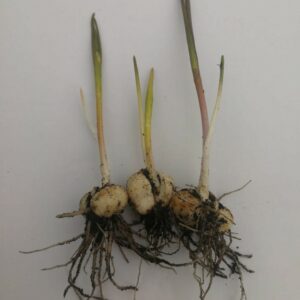
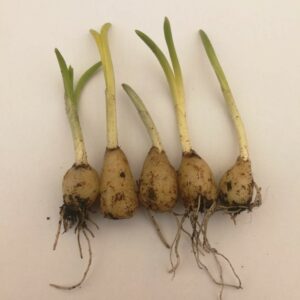
There are such things as true bulbs which are also known as tunicate or imbricate bulbs and these are things like daffodils, tulips, alliums, hyacinth and iris. You can open a lively debate with serious gardeners – I do not count myself as a serious gardener – over whether plants with tubers or rhizomes should be considered as bulbs as well. My own view, no.

Bulbs not only have their own energy, they also know which way is up. Whilst it is always preferable to plant a bulb point upwards a bulb will know and they can sort themselves out if you get it wrong. As a second rule of thumb work on the basis of one flower per bulb but with luck you will get more than that but that is why it makes sense to plant bulbs together rather than singly. It will make for a better display come spring.
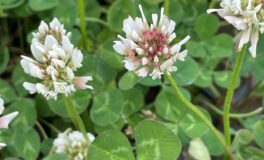
Spring is the season of renewal and growth, and one of the best ways to welcome the warmer weather is by planting bulbs in March. Bulbs are an easy and cost-effective way to add colour and life to your garden or outdoor space. They require little maintenance once planted. In this blog post, we’ll cover everything you need to know about planting bulbs, from choosing the right bulbs to caring for them after planting.

How do I choose the right bulbs?

The first step in planting bulbs is choosing the right bulbs for your garden or outdoor space. Some popular spring-blooming bulbs include tulips, daffodils, crocuses, and hyacinths. When selecting bulbs, look for plump, firm bulbs with no signs of mould or damage. It’s also important to choose bulbs that are appropriate for your climate conditions as different bulbs thrive in different conditions.

How do I prepare the soil for bulbs?

Before planting your bulbs, it’s important to prepare the soil to ensure optimal growth. Begin by removing any weeds or debris from the area where you plan to plant. Then, loosen the soil to a depth of about 6 inches. Then mix in some compost or other organic matter to improve drainage and soil quality.

How do you care for bulbs?

After planting your bulbs, it’s important to care for them properly to ensure that they thrive. During the first few weeks after planting, keep the soil moist but not waterlogged. Once the bulbs begin to sprout, you can water them less frequently, as they will begin to draw moisture from the soil.

It’s also important to fertilise your bulbs periodically to provide them with the nutrients they need to grow. You can use a slow-release fertilizer or a liquid fertilizer, but be sure to follow the instructions on the packaging to avoid over-fertilising.

Finally, it’s important to protect your bulbs from pests and other potential threats. You can use a repellent or netting to keep animals like squirrels and rabbits away from your bulbs, and be sure to remove any weeds or other plants that may compete with your bulbs for nutrients.

In conclusion, planting bulbs in March is a great way to welcome the arrival of spring and add colour and life to your garden or outdoor space. By choosing the right bulbs, preparing the soil properly, and caring for your bulbs after planting, you can enjoy a beautiful display of spring flowers for years to come.


Meadowmat wildflower turf
How can I make more of my wildflower area?

Use Spring bulbs with Meadowmat – Many of our native wildflowers don’t bloom until at least the middle of spring. So make the most of your wildflower area by adding some spring bulbs. They’re timing their arrival for when there is the optimum number of pollinating insects to visit. However, some pollinators wake up earlier in the year and are looking for pollen and nectar. Give them a helping hand AND bring early colour into your garden by planting spring flowering bulbs amongst your wildflowers.

When should I plant spring flowering bulbs?

For best results, spring flowering bulbs should be planted in autumn time – between September and December.

Planting bulbs beneath Meadowmat wildflower turf

Nothing could be easier that planting bulbs beneath Meadowmat wildflower turf.

  • Remove any existing vegetation – even the roots! – and dig or rotovate the soil to at least 15cm deep.
  • If the area has been used as a lawn or for growing crops, remove the nutrient rich soil and replace it with Low Nutrient Topsoil.
  • Depending on the effect you want to create, a density of 10 bulbs per square metre is ideal. You can arrange the bulbs in small clusters or scatter them randomly for a more natural look.
  • Rake the soil thoroughly to create a fine tilth
  • Place your spring flowering bulbs on to the prepared soil with the pointy bit on top. Press them down firmly but don’t bury.
  • Lay your Meadowmat on top of the bulbs
  • Water thoroughly and keep moist until your wildflower turf has rooted into the soil (3-4 weeks)
When will my bulbs start growing?

The bulbs will start growing immediately, however you probably won’t notice much happening above-ground until February or March

The first thing you’ll see are the leaves poking up above the ground. These will be followed by buds and flowers

When will bulbs start flowering?
  • Winter Aconites: January – March
  • Native Snowdrops: January – March
  • Crocus: February – March
  • Miniature Daffodils: March – April
  • Scilla: March – April
  • Grape Hyacinth: March – April
  • Native Bluebells: April – May
How to care for spring flowering bulbs

When planted in amongst wildflowers, spring flowering bulbs really don’t need any attention. All you need to do is enjoy them, maybe take photographs or pick a posy for your windowsill.

Once they have finished flowering, the leaves will start to wilt and turn brown and by summer they will have disappeared. Leave the bulbs just where they are and they will grow again the following spring.

Let's get connected

“Stay in touch with Turfonline for the latest ideas, inspirational gardens and lawncare advice”

Sign up for regular updates